
Gundemxeber.az » Ölkə » Venesuela Böhranı: Yeni Geosiyasi Reallıq və Beynəlxalq Hüququn De-fakto İflası
Venesuela Böhranı: Yeni Geosiyasi Reallıq və Beynəlxalq Hüququn De-fakto İflası
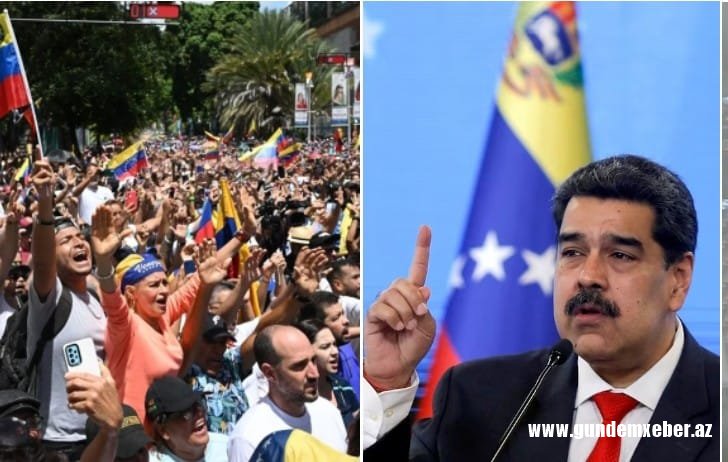
Hamımızın bildiyi kimi, ilin əvvəlində ABŞ tərəfindən Venesuela prezidenti Nikolas Maduronun ölkə ərazisində həyata keçirilən « xüsusi əməliyyat » nəticəsində əsir götürülməsi müasir beynəlxalq münasibətlər sistemində kəskin dönüş nöqtəsi yaratdı. Bu hadisə təkcə bir siyasi liderin neytrallaşdırılması deyil, uzun illərdir yığılan siyasi legitimlik böhranının, iqtisadi çöküşün və böyük güclər arasındakı geosiyasi qarşıdurmanın açıq fazaya keçməsi kimi qiymətləndirilməlidir. Baş verənlər Venesuelanı yeni, dərin qeyri-müəyyənlik mərhələsinə daxil etdiyi kimi, beynəlxalq institutların, eləcə də beynəlxalq hüququn « real işləkliyi » ilə bağlı ciddi suallar doğurdu.
Venesuela böhranının kökündə onilliklər ərzində formalaşmış struktur problemlər dayanır. Belə ki, neft gəlirlərinə həddindən artıq bağlı iqtisadi modelin iflası və avtoritar idarəetmənin dərinləşməsi ölkəni siyasi və sosial baxımdan kövrək hala salmışdı. Maduro hakimiyyəti dövründə seçkilərin legitimliyi beynəlxalq səviyyədə tanınmamış, məhkəmə və qanunverici orqanlar icra hakimiyyətinə tabe edilmiş, dövlət idarəçiliyi faktiki olaraq şəxsləşdirilərək tam bir avtoritar rejim qurulmuşdu. Trump höküməti isə bu vəziyyəti təkcə demokratiya böhranı kimi deyil, regional təhlükəsizlik, narkotik ticarəti və transmillli cinayət şəbəkələri kontekstində strateji təhdid kimi təqdim edərək Venesuelada xüsusi hərbi əməliyyatlar aparmağa özündə haqq gördü. Maduronun tutulması da məhz bu təhlükəsizlik narrativi üzərində əsaslandırıldı.
Maduronun əsir alınmasından sonra Venesuelada yaranan siyasi boşluq isə ölkədə yaranan böhranı aradan qaldırmaq əvəzinə onu daha da dərinləşdirdi. Formal olaraq müvəqqəti idarəetmə mexanizmləri işə salınsa da, dövlətin real idarəetmə qabiliyyəti zəiflədi. Ordu, siyasi elita və bürokratik aparat daxilində parçalanma sürətləndi, cəmiyyət isə müdaxiləni xilas kimi görənlərlə onu açıq suverenlik pozuntusu sayanlar arasında faktiki olaraq kəskin şəkildə bölündü. Bu parçalanma təbii olaraq Venesuelada milli konsensusun və dayanıqlı siyasi keçidin formalaşmasını demək olar ki, qeyri mümkün edir.Bütün bunların nəticəsində İqtisadi müstəvidə də gözləntilərlə reallıq arasında ciddi ziddiyyətlər yarandı. Qısa müddətdə bəzi xarici investisiya ümidləri ortaya çıxsa da, qeyri-sabitlik neft hasilatı, maliyyə sistemi və sosial təminat mexanizmlərinə mənfi təsir göstərdi. Hər böhran vəziyyətində olduğu kimi ən çox təsirlənən isə ölkə əhalisidir. Əhali üçün böhran daha konkret formada hiss olunur: inflyasiya təzyiqləri, sosial xidmətlərin çatışmazlığı və yeni miqrasiya dalğası riski yenidən gündəmə gəlib. Beləliklə, Maduro sonrası mərhələ avtomatik sabitləşmə deyil, klassik “keçid böhranı” xarakteri daşıyır.Bu hadisənin beynəlxalq hüquq baxımından qiymətləndirilməsi isə daha dərin normativ problemi üzə çıxarır. BMT Nizamnaməsinin əsas prinsiplərinə görə, dövlətlərin ərazi toxunulmazlığı, siyasi müstəqilliyi və gücdən istifadənin qadağan olunması beynəlxalq nizamın təməl sütunlarıdır. ABŞ-ın BMT Təhlükəsizlik Şurasının açıq mandatı olmadan Venesuela ərazisində hərbi əməliyyat keçirməsi bu prinsiplərlə açıq ziddiyyət təşkil edir. Rəsmi Vaşinqton öz addımını ağır beynəlxalq cinayətlərə görə fərdi məsuliyyət və universal yurisdiksiya arqumenti ilə əsaslandırsa da, beynəlxalq hüquqda bu cür mexanizmlər adətən beynəlxalq məhkəmələr və kollektiv qərar mexanizmləri vasitəsilə tətbiq olunur.Daha problemli məqam fəaliyyətdə olan dövlət başçısının toxunulmazlığı məsələsidir. Klassik beynəlxalq hüquqa görə « dövlət başçıları xarici dövlətlərin yurisdiksiyasından geniş şəkildə qorunur və bu toxunulmazlıq yalnız beynəlxalq tribunal qərarı və ya vəzifədən getdikdən sonra məhdudlaşdırıla bilər ». Bu presedent isə göstərir ki, hüquqi norma formaca mövcud olsa da, faktiki olaraq güc siyasətinə tabe edilmişdir. Humanitar müdaxilə və ya “qoruma məsuliyyəti” doktrinası da bu kontekstdə hüquqi əsas kimi təqdim olunsa da, həmin doktrina belə birtərəfli deyil, kollektiv qərar mexanizmini nəzərdə tutur. Məhz bu nöqtədə ABŞ–Venesuela böhranı daha geniş bir real nəticəni üzə çıxarır: beynəlxalq hüququn normativ sistem kimi de-fakto aşınması. Problem hüquq normalarının mövcud olmamasında deyil, onların selektiv və siyasi məqsədlərə uyğun tətbiq edilməsindədir. BMT Təhlükəsizlik Şurasının veto mexanizmi səbəbindən faktiki iflic vəziyyətinə düşməsi, böyük güclərin birtərəfli hərəkətləri və bu hərəkətlərin sonradan hüquqi ritorika ilə əsaslandırılması kollektiv təhlükəsizlik sisteminin funksional çöküşünü göstərir. Beynəlxalq hüquq artıq davranışı müəyyən edən norma deyil, sonradan güc tətbiqini izah edən alətə çevrilir. Bu proses beynəlxalq hüquqda « istisnanın normaya çevrilməsi » tendensiyasını gücləndirir. Dövlətlər getdikcə « bu qanunidirmi? » sualından çox « edə bilirəmmi? » məntiqi ilə hərəkət edirlər. Nəticədə hüquqi bərabərlik prinsipi real məzmununu itirir və beynəlxalq sistem daha açıq şəkildə güc balansına əsaslanan mərhələyə daxil olur.Çox təəsüf ki, nəticə etibarilə, Nikolas Maduronun əsir tutulması Venesuela böhranını həll etmədi, onu daha geniş geosiyasi və hüquqi böhranın tərkib hissəsinə çevirdi. Bu hadisə təkcə bir dövlətin suverenliyinin pozulması deyil, BMT sistemi və beynəlxalq hüququn özünün legitimlik böhranıdır. Mövcud qlobal hüquqi nizam formaca qalmaqda, lakin məzmunca çökməkdədir və bu vəziyyət davam edərsə, beynəlxalq münasibətlər daha təhlükəli, hüquqdan çox gücə əsaslanan bir mərhələyə daxil olacaq.
« Böyükmillət » in Avropa təmsilçisi
Xəyal Mustafayev
The Venezuela Crisis: A New Geopolitical Reality and the De Facto Collapse of International Law
As is well known, at the beginning of the year the capture of Venezuelan President Nicolás Maduro by the United States as a result of a “special operation” conducted on Venezuelan territory marked a sharp turning point in the contemporary system of international relations.
This event should be understood not merely as the neutralization of a political leader, but as the transition of a long-accumulating crisis of political legitimacy, economic collapse, and geopolitical confrontation among major powers into an open phase. What occurred not only plunged Venezuela into a new stage of profound uncertainty, but also raised serious questions about the “practical effectiveness” of international institutions and international law itself.
At the root of the Venezuelan crisis lie structural problems that have developed over decades. The collapse of an economic model excessively dependent on oil revenues and the deepening of authoritarian governance rendered the country politically and socially fragile. Under Maduro’s rule, the legitimacy of elections was not internationally recognized; the judiciary and the legislature were subordinated to the executive; and state governance was effectively personalized, resulting in the establishment of a fully authoritarian regime. The Trump administration, for its part, framed this situation not merely as a democratic crisis, but as a strategic threat in the context of regional security, drug trafficking, and transnational criminal networks, thereby claiming for itself the right to conduct special military operations in Venezuela. Maduro’s capture was justified precisely on the basis of this security narrative. However, the political vacuum that emerged in Venezuela following Maduro’s detention did not resolve the crisis; on the contrary, it deepened it further. Although interim governance mechanisms were formally put into place, the state’s actual capacity to govern weakened. Fragmentation within the military, the political elite, and the bureaucratic apparatus accelerated, while society became sharply divided between those who viewed the intervention as salvation and those who regarded it as an overt violation of sovereignty. This division naturally makes the formation of a national consensus and a sustainable political transition in Venezuela almost impossible.
As a result, serious contradictions also emerged on the economic front between expectations and reality. Although some hopes for foreign investment appeared in the short term, instability negatively affected oil production, the financial system, and social welfare mechanisms. As in any crisis, the population has been the most affected. For ordinary citizens, the crisis is felt in very concrete terms: renewed inflationary pressures, shortages in social services, and the risk of a new wave of migration have once again come to the fore. Thus, the post-Maduro phase does not represent automatic stabilization, but rather bears the classic characteristics of a “transition crisis.”
The assessment of this event from the perspective of international law reveals an even deeper normative problem. According to the fundamental principles of the UN Charter, territorial integrity, political independence, and the prohibition of the use of force are the cornerstones of the international order. The United States’ conduct of military operations on Venezuelan territory without an explicit mandate from the UN Security Council stands in clear contradiction to these principles. Although official Washington justified its actions on the grounds of individual responsibility for grave international crimes and the argument of universal jurisdiction, such mechanisms in international law are typically applied through international courts and collective decision-making processes.An even more problematic issue concerns the immunity of a sitting head of state. According to classical international law, “heads of state are broadly protected from the jurisdiction of foreign states, and such immunity can be limited only by the decision of an international tribunal or after they leave office.” This precedent demonstrates that while the legal norm formally exists, it has in practice been subordinated to power politics. Although humanitarian intervention or the doctrine of the “responsibility to protect” has been presented as a legal basis in this context, even that doctrine presupposes a collective decision-making mechanism rather than unilateral action. It is precisely at this point that the U.S.–Venezuela crisis reveals a broader and more tangible reality: the de facto erosion of international law as a normative system. The problem lies not in the absence of legal norms, but in their selective application in accordance with political objectives. The effective paralysis of the UN Security Council due to the veto mechanism, the unilateral actions of major powers, and the subsequent justification of these actions through legal rhetoric all point to the functional collapse of the collective security system. International law is no longer a norm that determines behavior; it has become a tool for explaining the use of force after the fact. This process reinforces the tendency in international law toward the “normalization of the exception.” States increasingly act not on the basis of the question “Is this lawful?” but rather “Can I do this?” As a result, the principle of legal equality loses its real substance, and the international system enters a phase more openly based on the balance of power. Regrettably, in the final analysis, the capture of Nicolás Maduro did not resolve the Venezuelan crisis; instead, it transformed it into a component of a broader geopolitical and legal crisis. This event represents not only a violation of a state’s sovereignty, but also a legitimacy crisis of the UN system and international law itself. The existing global legal order remains formally intact, yet is collapsing in substance, and if this situation persists, international relations will enter an even more dangerous phase—one based less on law and more on power.
European representative of the” Boyukmillet”
Khayal Mustafayev
Oxşar yazılar :
-
-
Norveç Venesuela böhranına vasitəçilik edir ...
18-05-2019, 11:46
-
Nikolas Maduro: “Mən Səddam Hüseynə bənzəyirəm” ...
15-07-2017, 10:47
-
ABŞ-ın 2 nömrəli düşməni Rusiyaya gedir ...
3-10-2017, 12:52
-

Maduro Venesuela müxalifəti ilə danışıqların ...
9-07-2019, 10:18
-
“Venesuela mühasirəyə alınıb” ...
17-12-2025, 23:03

Sorğu
Yay istirahətini harada keçirmək niyyətindəsiniz?